




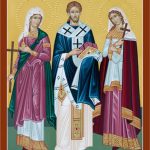



June 15 Monday: Mt 5:38-42
In today’s Gospel, taken from the Sermon on the Mount, Jesus presents one of the most challenging teachings of Christian discipleship. He moves beyond the Old Testament principle of retaliation and introduces the radical law of love. The ancient principle, known as Lex Talionis (“an eye for an eye and a tooth for a tooth”), was originally intended to limit revenge. In a culture where tribal vengeance often led to endless cycles of violence, the Mosaic Law sought to ensure that punishment was proportionate to the offense. Rather than allowing entire families or tribes to be destroyed in retaliation, justice was restricted to the offender and limited to an equivalent penalty. Over time, this principle was often replaced by financial compensation rather than physical punishment.
While the law of Moses represented progress toward justice and moderation, Jesus calls His disciples to something even greater. He teaches that revenge, retaliation, and the desire to “get even” have no place in the Kingdom of God. Instead of responding to injury with vengeance, Christians are called to respond with patience, forgiveness, and active charity. Jesus does not abolish justice, but He transforms personal relationships by replacing revenge with mercy.
To illustrate this new way of living, Jesus offers three striking examples. First, He says, “If anyone strikes you on the right cheek, turn the other also.” In the Jewish culture of His time, a slap on the right cheek was usually delivered with the back of the hand and was considered a grave insult rather than a physical assault. Jesus is not encouraging passivity in the face of injustice but teaching His followers not to respond to insults with hatred or revenge. Instead, they are to overcome evil with dignity, patience, and love.
Second, Jesus says, “If anyone wants to sue you and take your tunic, let him have your cloak as well.” Here He emphasizes detachment from material possessions. The disciple of Christ should value relationships, peace, and fidelity to God more than worldly goods. Rather than becoming consumed by disputes over possessions, Christians are called to cultivate generosity and trust in God’s providence.
Third, Jesus says, “If anyone forces you to go one mile, go with him two miles.” Under Roman law, soldiers could compel civilians to carry their equipment for one mile. Jesus teaches that His followers should not serve grudgingly or resentfully. Instead, they should willingly go beyond what is demanded, transforming an act of oppression into an opportunity for charity and witness. This spirit of generous service reflects the very heart of Christ, who came not to be served but to serve (Mark 10:45).
Jesus Himself perfectly embodied this teaching. When insulted, He did not retaliate. When betrayed, He forgave. When crucified, He prayed, “Father, forgive them, for they know not what they do” (Luke 23:34). Likewise, Saint Stephen, the first Christian martyr, imitated his Lord by praying for those who were stoning him (Acts 7:60). These examples reveal that Christian love is strongest not when it conquers enemies by force, but when it overcomes hatred through mercy.
Life Messages
1. We are called to break the cycle of revenge.
Retaliation often creates more bitterness, division, and suffering. Jesus invites us to choose forgiveness over vengeance and reconciliation over resentment.
2. We must respond to insults and injuries with Christian maturity.
Rather than reacting impulsively to criticism, rejection, or humiliation, we should imitate Christ’s patience and entrust justice to God.
3. We should cultivate generosity and detachment from possessions.
Material things are temporary. The Christian disciple values love, peace, and faithfulness to God more than wealth, status, or personal rights.
4. We are called to serve beyond what is required.
Authentic Christian charity does not merely fulfill minimum obligations. It goes the extra mile, serving others with joy, generosity, and a spirit of self-sacrifice.
5. We must imitate Christ’s mercy.
The highest expression of Christian holiness is not found in power or prestige but in the ability to forgive, love one’s enemies, and return good for evil. Through the grace of the Holy Spirit, we can become instruments of peace in a world often marked by anger, revenge, and division. God bless you.
June 16 Tuesday: Mt 5:43-48
Today’s Gospel presents one of the most challenging and transformative teachings of Jesus in the Sermon on the Mount. At the heart of Christian morality stands the command to love not only those who love us, but also those who oppose, reject, insult, or persecute us. Jesus calls His disciples to a higher standard of holiness, one that goes beyond natural human instincts. While the world often teaches retaliation, resentment, and self-interest, Christ teaches mercy, forgiveness, and unconditional love. What distinguishes a Christian is not merely religious observance but the ability to reflect God’s compassion in every relationship, especially toward those who seem undeserving of kindness.
In the Old Testament, Israel was commanded to love its neighbor (Leviticus 19:18). Over time, some people wrongly concluded that this implied hatred for one’s enemies. Jesus corrects this misunderstanding and reveals the true heart of God’s law. He commands, “Love your enemies and pray for those who persecute you” (Matthew 5:44). This command is rooted in the very nature of God Himself, who causes His sun to rise on both the good and the evil and sends rain upon the just and the unjust. God’s love is not selective or conditional. He continues to love, bless, and patiently call sinners to conversion.
Jesus not only preached this message but lived it perfectly. During His Passion, He endured betrayal by Judas, denial by Peter, abandonment by His disciples, false accusations, torture, and crucifixion. Yet from the Cross He prayed, “Father, forgive them; they do not know what they are doing” (Luke 23:34). In that moment, Jesus revealed the fullness of divine love, a love that conquers hatred not through revenge but through mercy. His prayer embraced not only His executioners but all sinners whose sins contributed to His suffering.
The love Jesus commands is the Greek agápe, a selfless and unconditional love that seeks the good of another regardless of feelings or personal benefit. Unlike storge (family affection), philia (friendship), or eros (romantic love), agápe is a deliberate choice inspired by God’s grace. It means willing the good of others, praying for them, forgiving them, and seeking their salvation even when they have hurt us. Such love is impossible through human effort alone. It becomes possible only through the transforming power of the Holy Spirit working within us.
Sacred Scripture offers inspiring examples of this supernatural love. Joseph forgave the brothers who had sold him into slavery and later saved them from famine (Genesis 45:1-15). David spared the life of King Saul, even when Saul sought to kill him (1 Samuel 24:1-12). Most strikingly, Saint Stephen, the first Christian martyr, imitated Christ by praying for his executioners: “Lord, do not hold this sin against them” (Acts 7:60). Through such examples, we learn that forgiveness is not weakness but a sign of spiritual strength and holiness.
Jesus concludes this teaching with a call to perfection: “Be perfect, therefore, as your heavenly Father is perfect” (Matthew 5:48). Christian perfection does not mean never making mistakes. Rather, it means striving each day to imitate God’s love, mercy, compassion, and forgiveness. It means allowing God’s grace to transform our hearts so that we increasingly think, act, and love as Christ Himself did.
Life Messages
1. We are called to love as God loves.
Christian love extends beyond family, friends, and those who treat us kindly. We must also pray for, forgive, and seek the good of those who oppose or hurt us.
2. We must break the cycle of hatred and revenge.
The world teaches us to return evil for evil, but Jesus teaches us to overcome evil with good (Romans 12:21). Forgiveness heals hearts and restores relationships.
3. We should pray for those who persecute or offend us.
Prayer softens our hearts, opens us to God’s grace, and helps us see others through God’s eyes rather than through the lens of resentment.
4. Christian perfection consists in growing in love.
Holiness is not measured primarily by knowledge, status, or achievements but by the extent to which we love God and our neighbor with Christ-like generosity.
5. We need God’s grace to practice agápe love.
Loving difficult people is not merely a human achievement. Through prayer, the Sacraments, and the guidance of the Holy Spirit, God gives us the strength to forgive, to love, and to become true children of our Heavenly Father.
6. Every act of forgiveness makes us more like Christ.
When we forgive those who wrong us, we participate in the very mission of Jesus, who came to reconcile humanity with God through the power of sacrificial love. God bless you.
June 17 Wednesday: Mt 6:1-6, 16-18
In today’s Gospel, taken from the Sermon on the Mount, Jesus focuses on three essential pillars of Jewish religious life: almsgiving, prayer, and fasting. These practices were highly valued in Judaism and were considered important expressions of devotion to God. However, Jesus shifts attention from the external performance of these religious duties to the interior disposition with which they are carried out. He warns His listeners against hypocrisy and teaches that true righteousness is measured not by public recognition but by sincere love for God. The Lord reminds us that religious practices are pleasing to God only when they flow from a humble heart seeking His glory rather than human praise.
Jesus first speaks about almsgiving. Throughout Sacred Scripture, care for the poor is presented as a sacred duty. The Book of Proverbs teaches that whoever is kind to the poor lends to the Lord (Prv 19:17), while the prophet Isaiah links true worship with feeding the hungry and caring for those in need (Is 58:6-7). Jesus teaches that acts of charity should be performed quietly and generously, without seeking admiration from others. The Pharisees often displayed their generosity publicly in order to win praise and honor. In contrast, Jesus calls His disciples to imitate the hidden generosity of God Himself. Genuine almsgiving is an act of gratitude for God’s blessings and an expression of love for Christ present in the poor, as illustrated in His teaching: “Whatever you did for one of these least brothers of mine, you did for me” (Mt 25:40).
Jesus next addresses fasting. In biblical tradition, fasting was a sign of repentance, self-discipline, humility, and dependence on God. Moses fasted before receiving the Law on Mount Sinai (Ex 34:28), Elijah fasted on his journey to Horeb (1 Kgs 19:8), and Jesus Himself fasted for forty days in the wilderness before beginning His public ministry (Mt 4:2). The Lord teaches that fasting should never be a theatrical display of holiness. Instead, it should help believers grow in self-mastery, deepen their compassion for the poor, and strengthen their relationship with God. Authentic fasting reminds us that our deepest hunger can be satisfied only by God and encourages us to share our resources with those who lack life’s necessities.
Finally, Jesus teaches about prayer, the lifeblood of the spiritual life. Prayer is not merely the recitation of words but a loving dialogue with God. Through prayer, we acknowledge our dependence on our Heavenly Father, seek His guidance, thank Him for His blessings, and open our hearts to His transforming grace. Jesus condemns empty and repetitive prayers offered merely to impress others. Instead, He invites His followers to pray with sincerity, humility, and confidence. Throughout His earthly life, Jesus Himself provided the perfect example of prayer by frequently withdrawing to solitary places to commune with His Father (Mk 1:35; Lk 5:16). His example teaches us that prayer is not a performance but a relationship.
Together, almsgiving, fasting, and prayer form a powerful path to holiness. They help us love our neighbor through charity, discipline ourselves through sacrifice, and deepen our union with God through prayer. When practiced with sincere hearts, they become channels of grace that transform both the individual believer and the wider Christian community.
Life Messages
1. We should practice charity for God’s glory, not our own.
Almsgiving becomes a holy act when it springs from gratitude to God and genuine concern for those in need. Our acts of generosity should reflect God’s love rather than our desire for recognition.
2. We should fast with a purpose.
Christian fasting helps us develop self-control, appreciate God’s blessings, identify with the suffering of the poor, and direct more of our resources toward helping others. Fasting without interior conversion loses its spiritual value.
3. We should make prayer a daily encounter with God.
Prayer is our personal conversation with a loving Father. Through regular prayer, Scripture reading, Eucharistic worship, and silent reflection, we receive the strength needed to live faithfully as disciples of Christ.
4. We must avoid religious hypocrisy.
Jesus teaches that external religious practices have value only when accompanied by humility and sincerity. God looks beyond outward appearances and sees the intentions of the heart.
5. Almsgiving, fasting, and prayer work together.
Prayer draws us closer to God, fasting disciplines our desires, and almsgiving opens our hearts to others. Practiced together, they lead us toward greater holiness and conformity to Christ. God bless you.
June 18 Thursday: Mt 6:7-15: Mt 6: 7-15
In today’s Gospel, taken from the Sermon on the Mount, Jesus teaches His disciples the true meaning of prayer. He warns them not to imitate the pagans who believed that God could be persuaded by the endless repetition of words. Prayer is not measured by its length or by the number of words spoken. Rather, authentic prayer is a loving encounter with God, a lifting of the mind and heart to our Heavenly Father. Since God already knows our needs before we ask Him (Mt 6:8), prayer is primarily an expression of faith, trust, love, and dependence on Him. To guide His disciples, Jesus gives them the perfect prayer, the “Our Father,” which has become the model of all Christian prayer.
The Lord’s Prayer begins by directing our attention to God. We address Him as “Our Father,” a title that reveals the intimate relationship Jesus has opened for us through His saving work. God is not a distant ruler but a loving Father who cares for His children. The first three petitions focus entirely on God: “Hallowed be Thy Name,” “Thy Kingdom come,” and “Thy Will be done.” In these petitions, we glorify God, pray for the spread of His Kingdom, and ask for the grace to obey His will as perfectly as the angels and saints do in Heaven. Thus, prayer begins not with our needs but with God’s glory and His saving plan for the world.
The second part of the prayer presents our needs before God. First, we ask for our daily bread, recognizing God the Father as the source of all that sustains our lives, both materially and spiritually. This petition also reminds us of the Bread of Life, Jesus Himself, whom we receive in the Holy Eucharist (Jn 6:35). Next, we ask forgiveness for our sins. Here we acknowledge our need for God’s mercy, made available through the saving sacrifice of Jesus Christ. Finally, we ask for protection from temptation and deliverance from evil, entrusting ourselves to the guidance and strength of the Holy Spirit, who helps us resist sin and remain faithful to God.
A special emphasis in Jesus’ teaching is the necessity of forgiveness. Immediately after teaching the Lord’s Prayer, Jesus explains that our willingness to forgive others is closely linked to our receiving forgiveness from God. Throughout Scripture, God reveals Himself as rich in mercy and compassion (Ps 103:8). Yet those who seek His forgiveness must also be willing to extend forgiveness to others. Jesus illustrates this truth in the Parable of the Unforgiving Servant (Mt 18:23-35), where a servant forgiven an enormous debt refuses to forgive a much smaller debt owed to him. Christian forgiveness is not merely an option but an essential requirement of discipleship.
The prayer concludes in many Christian traditions with the doxology, “For Thine is the Kingdom, the Power, and the Glory forever.” Although this phrase is not found in the earliest manuscripts of Matthew’s Gospel, it reflects an ancient liturgical tradition of the Church. Similar expressions of praise are found in Scripture, particularly in David’s prayer: “Yours, O Lord, are the greatness and the power and the glory” (1 Chr 29:11). This concluding praise reminds believers that all authority, power, and glory belong to God alone. The final “Amen” expresses our faith and confidence that God hears our prayer and that we willingly accept His holy will.
Life Messages
1. We should pray with trust and sincerity.
Prayer is not about impressing God with many words but about speaking to Him with faith, humility, and love. God desires a personal relationship with us as a loving Father with His children.
2. We should place God’s will before our own.
The Lord’s Prayer teaches us to seek first the glory of God and the coming of His Kingdom before presenting our personal needs and desires.
3. We must learn to forgive as God forgives.
Since we constantly depend on God’s mercy, we are called to extend that same mercy to others. A forgiving heart reflects the heart of Christ.
4. We should depend daily on God’s providence.
By praying for our daily bread, we acknowledge that every blessing, spiritual and material, comes from God and that we can trust Him to provide for our needs.
5. We need the Holy Spirit’s help in the battle against sin.
Temptations are part of life, but through prayer, the Sacraments, and the guidance of the Holy Spirit, we receive the strength to remain faithful to Christ.
6. The Lord’s Prayer should shape our entire Christian life.
Every petition of the Our Father teaches us how to live: worshipping God, seeking His Kingdom, trusting His providence, practicing forgiveness, resisting evil, and giving Him all glory, honor, and praise. God bless you.
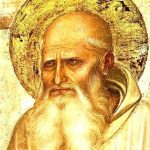
June 19 Friday: (St. Romuald, Abbot): Mt 6:19-23
In today’s Gospel from the Sermon on the Mount, Jesus teaches His disciples about the true meaning of wealth, security, and spiritual vision. Human beings naturally seek happiness, fulfillment, and something lasting on which to build their lives. Yet Jesus warns that earthly possessions, no matter how valuable, are temporary and unreliable. Wealth can be lost through misfortune, destroyed by time, or taken away unexpectedly. Even life itself is fragile and uncertain. Therefore, Jesus urges His followers not to focus their hearts on earthly treasures but to store up treasures in Heaven through a life of faith, righteousness, charity, and obedience to God’s will.
The first image Jesus uses is that of earthly and heavenly treasures. Earthly treasures include material possessions, social status, power, popularity, and all the things that the world considers valuable. While these things may have their proper place, they cannot provide lasting peace or eternal security. Heavenly treasures, on the other hand, are acquired through acts of love, generosity, mercy, prayer, sacrifice, and faithful service to God. Every act of kindness performed for the glory of God becomes an investment in eternity. Jesus echoes this teaching elsewhere when He tells the rich young man to give to the poor and thus “have treasure in Heaven” (Mt 19:21). Likewise, the example of the widow’s mite (Mk 12:41-44) shows that God values not the size of the gift but the love and sacrifice behind it.
Jesus then introduces a second image, that of the eye as the lamp of the body. Just as a healthy eye enables the body to see clearly and walk safely, a spiritually healthy heart enables a person to perceive God’s truth and live according to His will. The “sound eye” represents purity of intention, sincerity, and a heart directed toward God. When our motives are guided by faith and love, our actions become pleasing to God and beneficial to others. As Jesus taught elsewhere, “Blessed are the pure in heart, for they shall see God” (Mt 5:8).
By contrast, spiritual blindness occurs when the heart becomes clouded by pride, greed, jealousy, prejudice, hatred, or selfish ambition. Such attitudes distort our vision and prevent us from recognizing God’s presence and action in our lives. Scripture provides many examples of this blindness. The Pharisees often failed to recognize Jesus as the Messiah because their pride and prejudice obscured their spiritual vision (Jn 9:39-41). Judas Iscariot allowed greed to blind him to the value of his relationship with Christ (Jn 12:4-6). On the other hand, saints such as Francis of Assisi, Mother Teresa of Calcutta, and countless holy men and women throughout history saw clearly because they viewed life through the eyes of faith and charity.
Ultimately, Jesus teaches that where our treasure is, there our heart will also be (Mt 6:21). Whatever we value most will shape our priorities, decisions, and way of life. If our treasure is God, our lives will be filled with light. If our treasure is merely worldly success, our spiritual vision will gradually grow dim. Therefore, Christ invites us to fix our hearts on eternal realities and to live in a way that prepares us for the everlasting joy of Heaven.
Life Messages
1. We should invest in eternal treasures.
Material possessions are temporary, but acts of faith, charity, mercy, and service have eternal value. Every good deed done for God’s glory becomes a treasure stored in Heaven.
2. We need to examine our priorities regularly.
What occupies our thoughts, time, energy, and resources reveals where our true treasure lies. We should constantly ask whether God truly occupies the first place in our lives.
3. We must seek purity of heart and intention.
A spiritually healthy “eye” sees people and situations through the light of faith. We should strive to act with sincere motives, seeking God’s will rather than personal recognition or gain.
4. We should guard against spiritual blindness.
Pride, envy, greed, prejudice, and resentment can cloud our judgment and weaken our relationship with God. Frequent prayer, examination of conscience, and the Sacrament of Reconciliation help restore clear spiritual vision.
5. We are called to share God’s blessings generously.
The surest way to store up treasures in Heaven is to use our time, talents, and resources for the good of others. What we keep for ourselves may be lost; what we give for God and neighbor endures forever.
6. Our ultimate goal is Heaven.
As pilgrims on earth, we are called to live with eternity in mind. Every decision, sacrifice, and act of love should help us move closer to God and to the everlasting treasure He has prepared for those who love Him. God bless you.
June 20 Saturday: Mt 6:24-34
In today’s Gospel from the Sermon on the Mount, Jesus teaches His disciples to place God alone at the center of their lives and to resist the temptation of serving wealth or material things as though they were ultimate masters. Human life, He insists, cannot be divided between two competing loyalties. A person cannot serve both God and material possessions, because sooner or later one will dominate the heart. Wealth and material goods are not evil in themselves, but they must remain tools used in the service of God’s will, especially through generosity toward those in need.
Jesus then addresses the problem of anxiety and unnecessary worry. He warns that excessive worry can damage a person spiritually, physically, and mentally. Spiritually, it weakens trust in God’s providence and can lead a person to behave as though life depends only on personal effort and control, similar to those who do not believe in God’s care. This kind of attitude can also lead to selfishness, where concern for others is pushed aside in the struggle for security and success. On the physical level, constant anxiety can contribute to illness and exhaustion, while mentally it can lead to depression, fear, obsessive thoughts, and other forms of emotional distress.
To correct this mindset, Jesus points to creation itself. He reminds His listeners that birds work for their food, yet they do not live in anxiety about tomorrow. God feeds them, showing that divine providence is already active in the world. Jesus also teaches that worry is ultimately powerless, because it cannot add anything to human life or change what only God can control.
In response, Jesus calls His disciples to a different way of living, one rooted in trust. Instead of being consumed by fear of the future or regret over the past, believers are invited to live one day at a time, remaining attentive to God’s presence in the present moment. The key is to seek first the Kingdom of God by doing His will daily, loving Him, and serving Him in others. Every person encountered becomes a brother or sister created and loved by God, and therefore worthy of love, forgiveness, and care.
Life Messages
1. We are called to trust in God’s providence.
A deep and steady trust in God’s care helps free us from unnecessary fear and anxiety about the future.
2. We should live one day at a time.
Christian life is lived in the present moment, where God’s grace is given for today, not for imagined future burdens.
3. We must reorder our priorities.
God alone is our true Master. Material possessions are useful only when they serve His will and help us grow in love and generosity.
4. We are invited to see others as God’s children.
Recognizing each person as a brother or sister in God helps us to live the command of love in practical, daily relationships.
5. We are called to seek God’s Kingdom first.
When we focus on loving God and serving others, anxiety loses its power, and life becomes grounded in peace and purpose. God bless you.


Lovable reflection.
Thanks and God bless yoi father.