





![EASTER WEEK VII [Yr. A] SUNDAY (May 17, 2026): Acts 1:12-14; 1 Pt 4:13-16; Jn 17:1-11. By: Rev. Fr. Clifford Atta Anim.](https://frcliffordhomilies.com/wp-content/uploads/2026/05/IMG_3056.webp)
Rejoicing in Suffering and Remaining United in Christ
Today’s readings invite us to embrace one of the most difficult but deeply Christian truths: with the help of the Holy Spirit, we are called to rejoice even in suffering for the sake of Christ. The world usually sees suffering as meaningless and something to be avoided at all costs. But the Gospel reveals that suffering united with Christ becomes redemptive, transformative, and life-giving.
The closer we are to Jesus, the more we may experience misunderstanding, rejection, sacrifice, or even persecution. Yet these moments unite us more deeply with the Lord who suffered, died, and rose for our salvation. As Saint Paul says, “If we suffer with him, we shall also be glorified with him” (Romans 8:17).
Scripture Lessons
In the first reading from the Acts of the Apostles (Acts 1:12–14), the disciples gather in prayer after Jesus’ Ascension. They are waiting for the coming of the Holy Spirit as Jesus had commanded them. Notice that they are not filled with panic or despair despite uncertainty and the threat of persecution. Instead, they remain united in prayer with Mary, the Mother of Jesus.
This scene teaches us an important lesson. Before the apostles could preach publicly, perform miracles, or face persecution courageously, they first had to become people of prayer. Pentecost was prepared for in silence, trust, and prayerful expectation.
Throughout salvation history, God prepares His servants through prayer before entrusting them with mission. Moses encountered God on Mount Sinai (Exodus 24:12–18). Elijah heard God’s voice in the gentle breeze (1 Kings 19:11–13). Jesus Himself often withdrew to pray before important moments in His ministry (Luke 5:16).
In the second reading, Saint Peter speaks to Christians who are suffering because of their faith (1 Peter 4:13–16). He urges them not to be ashamed of suffering for Christ but to rejoice because they share in the sufferings of the Lord.
Peter had learned this lesson personally. Once afraid and weak enough to deny Jesus three times (Luke 22:54–62), Peter was transformed by the Holy Spirit into a courageous witness willing eventually to die for Christ. Now he teaches believers that suffering endured for righteousness is not defeat but participation in Christ’s glory.
The apostles themselves became examples of this truth. After being beaten for preaching the Gospel, they departed “rejoicing that they had been found worthy to suffer dishonor for the sake of the name” (Acts 5:41).
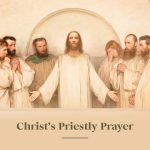
The Gospel reading (John 17:1–11a) presents the opening section of Jesus’ “High Priestly Prayer.” This prayer is deeply moving because it allows us to hear Jesus praying directly to the Father shortly before His Passion.
First, Jesus prays for Himself, asking that the Father may glorify Him through His suffering, death, and Resurrection. In John’s Gospel, the Cross is not humiliation alone, it is also glorification because it reveals the fullness of God’s love.
Then Jesus prays for His disciples. He asks the Father to protect them, sanctify them in truth, and preserve them in unity. He knows that they will face trials, opposition, and persecution after His departure. Yet He entrusts them lovingly to the Father’s care.
Jesus’ prayer for unity remains extremely important today. Division weakens Christian witness, but unity rooted in truth and love reflects the very life of the Trinity. Jesus prayed, “That they may be one” (John 17:11).
The Meaning of Christian Suffering
Christian suffering is not merely pain endured passively. It becomes holy when united with Christ. Jesus transformed suffering through the Cross. What was once a sign of shame became the instrument of salvation.
Saint Paul could therefore say, “I rejoice in my sufferings for your sake” (Colossians 1:24). The martyrs understood this deeply. Saint Stephen forgave his killers while being stoned (Acts 7:59–60). Saint Paul endured imprisonment, beatings, and rejection for Christ (2 Corinthians 11:23–28). Countless saints throughout history accepted suffering with faith because they saw beyond the Cross to the Resurrection.
Even ordinary daily sacrifices can become holy offerings when united with Christ: caring for a sick family member, enduring misunderstanding patiently, remaining faithful in difficult marriages, struggling against temptation, or persevering through illness and disappointment.
Life Messages
1. We need to center our lives on prayer
Prayer is not merely reciting words. It is entering into relationship with God. It is speaking to Him, listening to Him, and remaining aware of His presence.
The apostles prepared for Pentecost through prayer. Jesus strengthened Himself through prayer before His Passion. The saints drew their strength from prayer.
We too need daily moments with God. Personal prayer, family prayer, Eucharistic Adoration, the Rosary, meditation on Scripture, and participation in Holy Mass nourish the soul and strengthen us spiritually.
Saint Paul reminds us, “Pray without ceasing” (1 Thessalonians 5:17). This means living continually aware of God’s presence, speaking to Him throughout the day in moments of joy, fear, work, suffering, and gratitude.
2. We need to glorify Christ by the way we live
Our lives should reflect the Gospel we profess. Integrity matters. A Christian should be recognizable not merely by words but by actions.
We glorify God when we live honestly, forgive generously, speak kindly, and serve humbly. Every act of charity becomes a witness to Christ.
Jesus taught, “Let your light shine before others, that they may see your good works and glorify your Father in heaven” (Matthew 5:16).
Simple acts can become powerful testimonies: helping the poor, visiting the sick, comforting the lonely, encouraging the discouraged, or remaining faithful in difficult circumstances.
3. We need to remain united as disciples of Christ
One of Jesus’ greatest desires was unity among His followers. Division, hatred, jealousy, gossip, and unforgiveness damage the Body of Christ.
The Holy Spirit calls us to become instruments of reconciliation within our families, parishes, and communities. True Christian unity is rooted not in compromise with sin but in love, truth, humility, and forgiveness.
Conclusion
Today’s readings remind us that suffering, prayer, and unity are deeply connected in Christian life. The apostles faced persecution but remained joyful because they knew Christ was with them. Jesus Himself prayed for His disciples before facing the Cross.
We too are invited to remain faithful during trials, trusting that the Holy Spirit strengthens those who persevere in faith.
May our lives become living prayers that glorify Christ. And may we never lose courage when suffering comes, remembering that every Cross carried with Jesus leads ultimately to Resurrection and eternal glory. God bless you.


God bless you too
Amen