



Monday 11 May, Jn 15:26—16:4
In today’s Gospel, Jesus promises the coming of the Holy Spirit to His disciples: “When the Advocate comes, whom I will send to you from the Father, the Spirit of truth who proceeds from the Father, he will testify to me” (John 15:26). The word “Advocate” or “Paraclete” refers to one who stands beside another as helper, defender, comforter, and guide. In revealing the Holy Spirit, Jesus unveils the nearness and tenderness of God toward His children. The Holy Spirit is the eternal love shared between the Father and the Son, poured into our hearts to strengthen us in weakness, console us in suffering, and draw us into deeper communion with God. Through the Spirit, fearful hearts become courageous, troubled souls receive peace, and ordinary people are transformed into witnesses of divine truth. We see this clearly at Pentecost, when the Apostles who once hid behind locked doors came out boldly proclaiming Christ to the nations (Acts 2:1-4).
Jesus also tells the Apostles: “And you also are witnesses” (John 15:27). True Christian witness begins with a living relationship with Christ. One cannot speak convincingly about Jesus without first knowing Him personally. This intimacy grows through daily prayer, meditation on Sacred Scripture, faithful reception of the sacraments, obedience to God’s commandments, and communion with the Church. The saints became powerful witnesses because they allowed Christ to dwell deeply within them. Like Mary who said “yes” to God, like Peter who left everything to follow Christ, and like Paul whose life was transformed on the road to Damascus, every believer is called to encounter Jesus personally and allow that encounter to shape every aspect of life.
Moreover, authentic testimony must be visible in action. A witness is not merely someone who knows the truth, but someone who lives it courageously even when it is difficult. Jesus Himself taught that “by their fruits you will know them” (Matthew 7:16). The early Christians converted the ancient world not only through preaching, but through lives marked by charity, forgiveness, humility, and unwavering faith. The Good Samaritan showed love through action, not empty words (Luke 10:25-37). Likewise, Saint Stephen testified to Christ even unto death, forgiving his persecutors as Jesus forgave from the Cross (Acts 7:54-60). Our world today is in need of Christians whose lives reflect the Gospel, Christians who radiate kindness, purity, justice, mercy, and compassion. People may ignore sermons, but they cannot easily ignore a holy life.
Pope Francis once reflected with gratitude on the witness of Christians who joyfully sacrifice their lives and time for others. Their example, he said, encourages us to overcome selfishness and give ourselves more generously in love. He also urged Christian communities everywhere to offer a radiant witness of fraternal communion, because genuine love among believers becomes a powerful light in a darkened world. Indeed, when Christians live united in charity, they reflect the very life of the Trinity and become living signs of God’s presence among His people. As Jesus declared, “By this everyone will know that you are my disciples, if you love one another” (John 13:35). God bless you.
Tuesday 12 May, Jn 16:5-11.
Today’s Gospel invites us to enter more deeply into the mystery of the Ascension of the Lord, not as the departure of Jesus from humanity, but as His glorious entrance into the fullness of the Father’s presence. On Easter morning, when Mary Magdalene encountered the risen Christ and longed to hold onto Him, Jesus told her: “Do not cling to me, for I have not yet ascended to the Father” (John 20:17). In today’s Gospel, Jesus again prepares His disciples for this moment, saying: “Sorrow has filled your hearts because I told you these things. But I tell you the truth, it is better for you that I go” (John 16:6-7). The disciples struggled to understand how His departure could possibly be for their good. Yet Jesus reveals that His Ascension is not abandonment, but transformation, for by returning to the Father He opens the way for the coming of the Holy Spirit and for a new manner of remaining with His people.
This mystery of Christ going yet remaining with us was beautifully explained by Pope Benedict XVI, who taught that because Christ is with the Father, He is now close to every person in every place and every age. Before the Ascension, Jesus was physically present in one location at a time. After the Ascension, His presence becomes universal through the Holy Spirit, through the sacraments, through His Word, and through His Church. He remains Emmanuel, “God with us” (Matthew 1:23). He is present in the Eucharist, where His Body and Blood nourish the faithful. He is present when believers gather in His name (Matthew 18:20). He is present in the poor, the suffering, and the forgotten (Matthew 25:40). Though unseen by human eyes, Christ continues to walk with His people just as He walked with the disciples on the road to Emmaus (Luke 24:13-35).
Our hope rests firmly in the risen and ascended Christ. By conquering death, Jesus destroyed the power of the grave and opened for humanity the gates of eternal life. Saint Paul triumphantly declares that nothing can separate us from the love of God in Christ Jesus, neither death nor life, neither suffering nor persecution (Romans 8:38-39). The Resurrection confirms that life is stronger than death, grace is stronger than sin, and light is stronger than darkness. When Jesus rose from the tomb, despair lost its final word. This is why the Apostles, once fearful and discouraged, became fearless witnesses ready to suffer and die for the Gospel. Peter who denied Christ became the rock of the Church. Thomas who doubted became a bold missionary. The same risen Lord who transformed them continues to strengthen believers today.
We live in a wounded and imperfect world where injustice, violence, sickness, and suffering can easily lead people into discouragement and pessimism. Like the prophet Elijah beneath the broom tree, many become weary and feel overwhelmed by the struggles of life (1 Kings 19:4-8). Yet the Ascension reminds us that Christ reigns above every pain and every darkness of this world. Christians are therefore not prisoners of hopelessness. We are people of hope because our destiny is not the tomb but eternal communion with God. Even amid trials, the living presence of Christ in our families, our communities, and our Church continues to renew us. Every act of love, every sacrifice, every prayer, every work of mercy becomes a sign that Christ is alive among His people.
Indeed, although He ascended into heaven, Jesus has never abandoned His Church. Before ascending, He gave His promise: “I am with you always, until the end of the age” (Matthew 28:20). He remains the Good Shepherd who guides His flock, the Vine who gives life to the branches (John 15:5), and the High Priest who intercedes for us before the Father (Hebrews 7:25). The Ascension is therefore not the absence of Christ, but the assurance that His presence now reaches every corner of the world and every moment of our lives. He ascended, yet He remains forever with us. God bless you.
May 13 Wednesday: OUR LADY OF FATIMA. Jn 16:12-15.
On July 13, during the apparitions at Fatima, the Blessed Virgin Mary is believed to have entrusted three important secrets to the shepherd children, Lúcia dos Santos, Francisco, and Jacinta. These revelations would later become one of the most discussed aspects of the apparitions of Our Lady of Fatima. In 1941, at the request of José Alves Correia da Silva, Sister Lúcia wrote down the first two secrets to help with the publication of a new edition of a book on Jacinta. The first secret was a frightening vision of hell, where the children saw the suffering of souls separated from God because of unrepented sin. This vision was not meant to inspire despair, but conversion, reminding humanity of the seriousness of sin and the urgent need for repentance. The second secret announced that the First World War would soon end, but warned that an even more devastating war would arise if humanity continued offending God. It also included a request for the consecration of Russia to the Immaculate Heart of Mary and emphasized prayer, penance, and conversion as remedies for the evils threatening the world.
When Bishop da Silva later requested that the third secret be revealed in 1943, Sister Lúcia initially hesitated, feeling uncertain whether Heaven had permitted her to disclose it. After prayer and spiritual struggle, and in obedience to ecclesiastical authority, she wrote the secret down and sealed it in an envelope, instructing that it should not be opened until 1960, because, according to her, “it would appear clearer then.” Decades later, in the Jubilee Year 2000, Pope John Paul II instructed the Holy See to publish the third secret. The vision described a “bishop dressed in white” who suffered greatly and was eventually struck down amid persecution and violence. Many, including Pope John Paul II himself, connected this prophecy with the assassination attempt against him on May 13, 1981, in Saint Peter’s Square by Turkish gunman Mehmet Ali Ağca. The Pope firmly believed that the maternal protection of the Blessed Virgin Mary preserved his life. As Cardinal Angelo Sodano explained, it was “a motherly hand” that guided the path of the bullets, allowing the Pope to survive at the threshold of death.
Despite speculation from some groups claiming that the entire secret was not revealed, both the Vatican and Sister Lúcia consistently affirmed that the published text contained the authentic third secret. The Church officially approved devotion to Our Lady of Fatima in 1930, and in 2002 the memorial was added to the universal liturgical calendar, further highlighting its importance for the spiritual life of the Church.
The message of Fatima remains deeply relevant for Christians today. First, we are called to become holy children of a holy Mother by striving for purity of heart and sincerity of life. In a world often darkened by sin, materialism, and moral confusion, Mary invites believers to pursue holiness and fidelity to Christ. Just as young Samuel responded generously to God’s call (1 Samuel 3:10), and as Daniel remained faithful in the midst of a corrupt society (Daniel 6:10-23), Christians today are called to stand firmly for God despite worldly pressures.
Second, the Blessed Virgin Mary teaches us through her example of complete trust in God. At the Annunciation she surrendered herself entirely to the divine will saying, “Let it be done to me according to your word” (Luke 1:38). Her life was marked by humility, obedience, prayer, and selfless service. She journeyed in faith even through suffering, especially at the foot of the Cross where she remained united to her Son in sorrow and hope (John 19:25-27). Like Mary, believers are called to trust God even when His plans are difficult to understand.
Finally, Fatima calls the faithful to repentance, renewal, sacrifice, and prayer, especially through the Rosary. The Rosary is not merely repetitive prayer, but a meditation on the mysteries of Christ’s life, death, and resurrection through the eyes of Mary. Through prayer hearts are converted, families are strengthened, and peace is restored. The call of Fatima echoes the Gospel itself: “Repent and believe in the Good News” (Mark 1:15). It is ultimately a message of hope, reminding the world that God’s mercy is greater than sin and that the Immaculate Heart of Mary will always lead souls back to Christ. God bless you.
THE ASCENSION OF OUR LORD [May 14th Thursday 2026
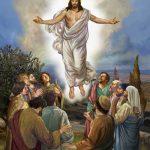
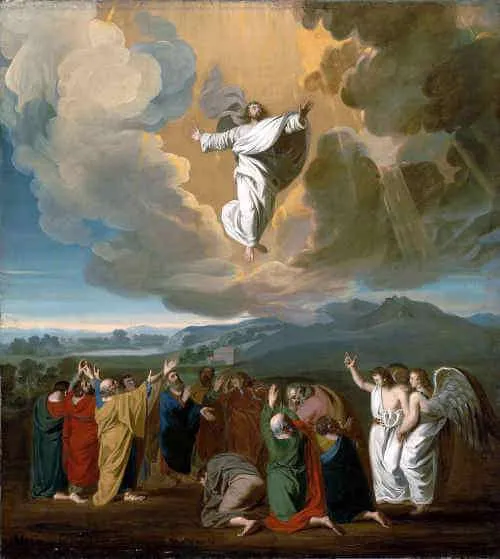
Today’s readings invite us to reflect on the glorious Ascension of our Lord Jesus Christ into Heaven after He promised to send the Holy Spirit upon the Apostles as their Divine strength and guide. Before ascending to the Father, Jesus commanded His disciples to continue His mission by proclaiming the Gospel to all nations through their preaching, witness, and holy lives. Although Christ ascended into Heavenly glory, He has not abandoned His Church. He remains constantly present among us through His promise: “And behold, I am with you always, until the end of the age” (Matthew 28:20). Through the power of the Holy Spirit, the risen and ascended Lord continues to renew the earth, strengthen His people, and guide the Church in every age.
The Scripture readings beautifully summarize this mystery of the Ascension. In the first reading from the Acts of the Apostles, Jesus ascends before His disciples after instructing them to remain in Jerusalem until they receive the promised Holy Spirit. He commissions them to become His witnesses “to the ends of the earth” (Acts 1:8). This scene recalls God’s earlier call of prophets such as Isaiah, Jeremiah, and Ezekiel, who were also sent to proclaim God’s word with Divine assistance. Like Moses who led Israel through the wilderness with God’s power, the Apostles are now entrusted with leading souls to Christ under the guidance of the Holy Spirit.
Today’s Responsorial Psalm (Psalm 47) joyfully proclaims that God “mounts His throne amid shouts of joy,” reminding us that Christ the King has entered into His Heavenly glory. In the second reading, Saint Paul explains that the Resurrection and Ascension reveal the immeasurable greatness of God’s power. Christ is exalted above every earthly authority and heavenly power. Yet the glorified Jesus remains close to us through the Holy Spirit, just as God remained with Israel through the pillar of cloud and fire in the desert (Exodus 13:21). The Ascension therefore is not Christ’s departure from humanity, but His entrance into a new and universal presence. Because Christ has gone before us into glory, we are given the hope that we too may one day share in the eternal life of Heaven if we remain faithful to Him.
In today’s Gospel, Jesus completes His earthly mission and returns to the Father, but before doing so He entrusts His own mission to His disciples. They are to preach repentance, forgiveness, and salvation to the whole world. The Ascension reveals Jesus entering fully into the glory of God, where He now intercedes for us as our eternal High Priest (Hebrews 7:25). The post-Resurrection appearances of Jesus give us a glimpse of the joy, peace, and transformed life awaiting the faithful in Heaven. Like Elijah who was taken up into Heaven in a fiery chariot (2 Kings 2:11), Christ ascends in glory, but unlike Elijah, Jesus ascends by His own Divine authority as Lord of Heaven and earth.
Life messages: 1) We are called to be witnesses and evangelizers. Every Christian has the responsibility to proclaim Christ to the world. We preach not only with words but more importantly through the example of our lives. Saint Francis of Assisi is often remembered for the wisdom: “Preach the Gospel at all times, and if necessary, use words.” Our lives should reflect the love, mercy, humility, and holiness of Jesus. Like the Apostles after Pentecost, we need the courage of the Holy Spirit to bear witness to Christ even in a world that often rejects Him.
- We share in Christ’s teaching mission. Jesus revealed the Father through His words and actions, teaching humanity about faith, forgiveness, compassion, and salvation. He now entrusts this mission to the Church. Parents teach their children, priests teach their congregations, teachers form young minds, and every believer is called to lead others toward Christ. To accomplish this mission, we must deepen our relationship with Jesus through Scripture, prayer, the Sacraments, Eucharistic devotion, and works of charity. Like Mary Magdalene who announced the Resurrection to the disciples, and Saint Paul who tirelessly preached Christ to the nations, we too must share the Jesus we have personally encountered.
- We need the strength of the ascended Christ in our daily struggles. Life often brings fears, doubts, disappointments, and suffering. Yet the Ascension reminds us that our final destiny is not earthly failure but Heavenly glory. Jesus strengthens us to persevere in faith just as He strengthened Peter after his denial and encouraged Paul during persecution. By fixing our eyes on Christ seated at the right hand of the Father, we receive hope and courage to carry our crosses faithfully, knowing that where Christ has gone, we are also called to follow. God bless you.
May 15 Friday. Jn 16:20-23
After the Last Supper, Jesus began preparing His disciples for the painful reality of His Passion, Death, Resurrection, and eventual return to the Father. Knowing that their hearts were troubled and filled with fear at the thought of losing Him, Jesus strengthened and comforted them with words of hope. He promised that they would not be abandoned like orphans (John 14:18). Instead, He assured them that the Holy Spirit would come upon them as their Paraclete, their Consoler, Helper, Guide, and Advocate. The Holy Spirit would strengthen them in moments of weakness, teach them the truth, and give them courage to face persecution and suffering for the sake of the Gospel. Just as God strengthened Moses, Joshua, and the prophets for their mission, so the Spirit would empower the Apostles to continue Christ’s saving work in the world.
Jesus further reassured His disciples that His departure would not be permanent. Though they would soon experience sorrow at His suffering and death, their grief would eventually be transformed into joy through the Resurrection. The Lord contrasts the disciples’ temporary sorrow with the everlasting joy that awaits them by using the image of a woman in labor. A mother experiences intense pain while giving birth, yet the moment she hears the cry of her newborn child and holds the baby in her arms, her suffering gives way to joy. In the same manner, the disciples’ sorrow over Christ’s Passion would be overcome by the joy of seeing the risen Lord. Their future joy would not be an ordinary earthly happiness, but a deep spiritual joy rooted in God’s victory over sin and death.
This teaching reflects a recurring biblical theme, that suffering often prepares the way for glory. Joseph suffered betrayal, slavery, and imprisonment before being raised to greatness in Egypt (Genesis 37–41). The Israelites endured slavery and hardship before entering the Promised Land. Job remained faithful amid terrible suffering and was ultimately blessed by God. Above all, Jesus Himself entered into glory through the Cross. Saint Paul later echoes this truth when he declares: “The sufferings of this present time are not worth comparing with the glory to be revealed to us” (Romans 8:18). The Cross, therefore, is never the end of the story for the believer.
Life message: We are invited to see our pains, struggles, and disappointments as opportunities through which God purifies our hearts, strengthens our faith, and shapes our character. Human suffering is difficult and often painful, but when united with Christ, it acquires redemptive value. If we patiently endure trials and offer them to God in union with Jesus’ sufferings, they become acts of love, reparation, and spiritual growth. The awareness that our suffering is temporary, and that eternal glory awaits those who remain faithful, gives us strength to persevere. Like the saints who carried their crosses with hope and trust, we too must hold firmly to the promise that sorrow will one day be transformed into everlasting joy in the presence of God. God bless you.
May 16 Saturday: Jn 16. 23b-28
Jesus frequently taught through parables, metaphors, and symbolic language. He used familiar images from daily life, such as seeds, vineyards, shepherds, lamps, and fishing nets, to reveal profound spiritual truths to the crowds and to instruct His disciples. In His farewell discourse during the Last Supper, Jesus again employed rich imagery, speaking of Himself as the vine and His disciples as the branches, and comparing sorrow turning into joy to a woman giving birth. These images helped the disciples gradually understand the mysteries of God’s Kingdom. But in today’s Gospel, Jesus announces a new stage in His teaching. He tells His disciples that the time has come for Him to speak plainly about the Father rather than through figures of speech.
Jesus openly reveals the mystery of His Divine origin and mission by saying: “I came from the Father and have come into the world; again, I am leaving the world and going to the Father” (John 16:28). In these words, Jesus clearly teaches His Incarnation, His eternal relationship with the Father, His earthly mission, and His return to Heavenly glory. This declaration echoes the prologue of John’s Gospel: “The Word became flesh and dwelt among us” (John 1:14). Jesus is not merely a prophet sent by God, but the eternal Son Who came forth from the Father for the salvation of humanity.
At the same time, Jesus corrects the distorted understanding many people had of God. Some Jews viewed God primarily as a strict Judge ready to punish sinners. Jesus instead reveals the Father as loving, merciful, compassionate, and approachable. He teaches the disciples that they can speak directly to God as children speak to a loving Father, calling Him “Abba,” a term expressing intimacy, trust, and affection. This reflects the teaching later emphasized by Saint Paul: “You received a Spirit of adoption, through which we cry, ‘Abba, Father!’” (Romans 8:15). The God revealed by Jesus is not distant or hostile, but One Who delights in hearing the prayers of His children.
Jesus further assures the disciples that prayers offered in His name will be heard by the Father because they love Him and believe in His Divine identity. However, praying “in Jesus’ name” is not the use of a magical expression or a spiritual password. Rather, it means approaching the Father through the merits, righteousness, and mediation of Christ. We stand before God not because of our own perfection, but because Jesus has opened the way to the Father through His Death and Resurrection. As the Letter to the Hebrews teaches, Christ is our eternal High Priest who intercedes for us before the Father (Hebrews 7:25).
To pray in Jesus’ name also means praying in union with His will, His mission, and His authority. Jesus Himself taught His disciples to pray, “Your will be done on earth as it is in Heaven” (Matthew 6:10). Authentic Christian prayer seeks not merely personal desires but the glorification of God and the fulfillment of His saving plan. When we pray in Jesus’ name, we become united with Christ and speak before the Father as members of His Body.
This Trinitarian pattern of prayer is beautifully expressed in the liturgy of the Church, especially in the Eucharist. The Eucharistic Prayer is addressed to God the Father, through Jesus Christ, in the unity of the Holy Spirit. At every Mass, the priest proclaims: “Through Him, and with Him, and in Him, O God, almighty Father, in the unity of the Holy Spirit, all glory and honor is Yours.” Christian prayer therefore always bears the mark of the Trinity. The Father is the ultimate source and recipient of prayer, Jesus is the mediator through whom we approach the Father, and the Holy Spirit inspires and strengthens our prayer within us.
This understanding does not prevent us from praying to Jesus, the Blessed Virgin Mary, or the saints. Rather, all prayer ultimately rises to the Father, just as streams flow into the sea. The saints intercede for us because they are united with Christ in glory, while Mary continues her maternal role by leading believers to her Son, as she did at Cana when she told the servants: “Do whatever He tells you” (John 2:5).
Life messages: 1) God our Father is loving, merciful, and deeply concerned about His children. He invites us to approach Him confidently through His Son Jesus Christ, our only mediator and Savior. Like the prodigal son returning to his father (Luke 15:11-32), we should never be afraid to come before God with trust and repentance.
- We should make our prayers more meaningful and fruitful by offering them to the Father through Jesus Christ and in union with the Holy Spirit. Our prayers of praise, thanksgiving, repentance, and petition should flow from faith, humility, and obedience to God’s will. Like Jesus in Gethsemane, we must learn to pray not only for what we desire, but above all that the Father’s will may be accomplished in our lives. God bless you.