






Pay Attention at Mass
The liturgy is the work of Christ and the Church, and that full, conscious, and active participation of the faithful is the aim to be considered before all else (SC 14)
A Word to the Church
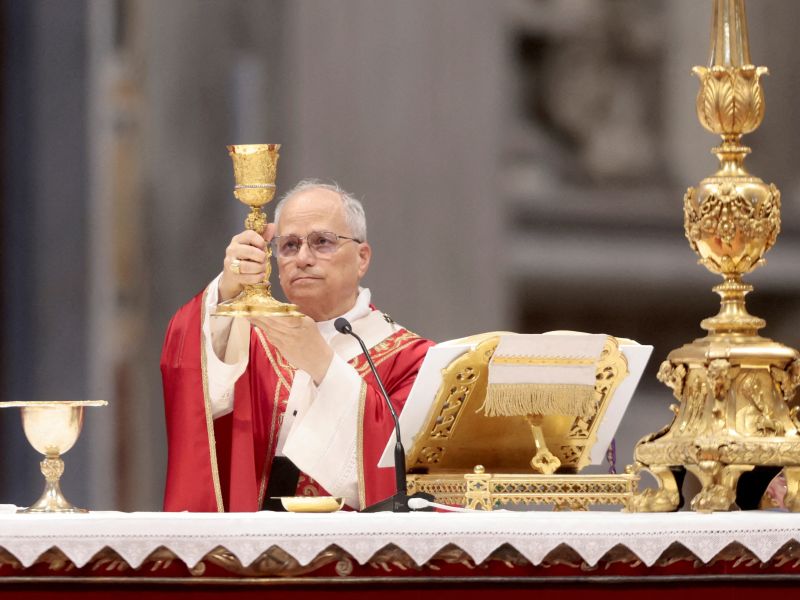
This reflection is written as both a fraternal correction and a catechetical reminder. It is addressed to priests and to the lay faithful, not from a place of accusation, but from love for the Eucharist and concern for the spiritual health of the Church. Correction without charity wounds. Charity without truth deceives. The Church needs both.
The Holy Mass is the highest act of worship the Church offers. The Second Vatican Council teaches that it is the source and summit of the Christian life (Sacrosanctum Concilium, 10). When attention at Mass is weakened, participation becomes shallow, even if attendance remains high. What is at stake is not aesthetics but faith.
Why Attention at Mass Is Not Optional
The liturgy is not a religious gathering centered on human expression. It is the action of Christ Himself. Christ is present in the Eucharistic species, in the proclaimed Word, in the minister who presides, and in the assembled Church (Sacrosanctum Concilium, 7).
Scripture is uncompromising on distracted worship. “This people honors me with their lips, but their hearts are far from me” (Matthew 15:8). The Mass demands more than bodily presence. It requires the attention of the heart, the discipline of the senses, and the submission of the will.
St. John Chrysostom warned that angels surround the altar with fear and reverence, while human beings often stand carelessly, unaware of what they are witnessing. His words describe our time with uncomfortable accuracy.
Mobile Phones and Digital Noise at Mass
A Pastoral Correction to Priests
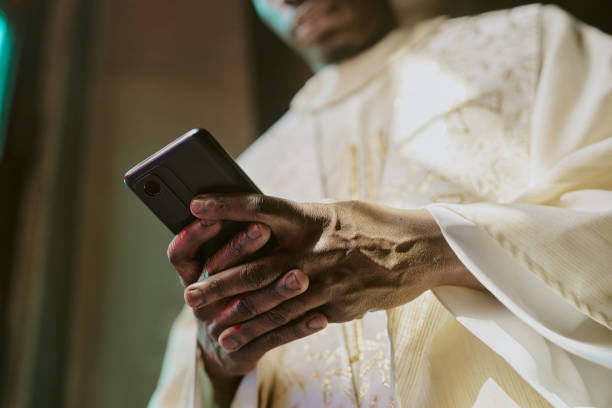
Some practices now observed during Mass should trouble every conscience. Priests scrolling through their phones during the entrance procession, checking Gospel passages on phones while seated at the presidential chair during the readings, or asking altar servers to take photographs of them during Mass are not minor lapses. They are signs of a deeper erosion of liturgical awareness.
The General Instruction of the Roman Missal teaches that the priest presides as a sacramental sign of Christ the Head (GIRM, 93). The priest’s visible attention shapes the prayer of the assembly. When the celebrant is distracted, the people learn distraction. When the celebrant treats the sanctuary casually, the sacred is quietly desacralized.
Preparation for Mass is not meant to occur during Mass. The Word of God proclaimed is first addressed to the priest himself. To ignore it while scrolling on a phone is a silent contradiction of the ministry he exercises.
Photography during Mass, especially initiated by the priest, shifts the focus from Christ to the celebrant. The altar is not a stage. The sanctuary is not a place for self-presentation. The priest must decrease so that Christ may increase (John 3:30).
Catechesis for the Lay Faithful
Among the faithful, phones ring, vibrate, glow, and distract. Messages are read during the homily. Notifications interrupt prayer. Even when Scripture apps are used, attention often drifts.
The Catechism reminds us that visible signs are meant to lead to invisible realities (CCC 1146–1148). When a phone fragments attention, it no longer serves prayer. Turning off the phone is not a loss. It is a gift offered to God.
Projectors and Screens in Churches
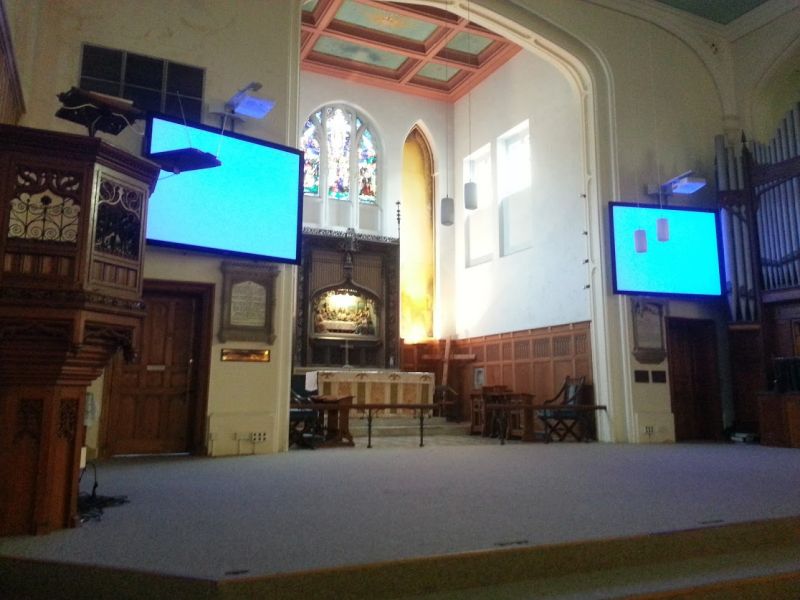
The use of screens can assist participation, but they can also dominate the senses. Moving backgrounds, constant slide changes, visual effects, and unnecessary texts pull the assembly out of prayer and into visual consumption.
The liturgy already speaks through word, silence, gesture, posture, and symbol. Screens should be simple, static, and limited to what genuinely aids participation, such as hymn texts or responses. Anything that competes with the altar, the ambo, or the Eucharistic action weakens attention rather than supporting it.
The Ministry of Communication During Mass: Service to the Gospel and the Need for Liturgical Discipline

The Church gratefully acknowledges the important work of her departments of communication. Through photography, video, audio, and digital media, the Gospel reaches those who cannot be physically present at the liturgy, the sick, the elderly, and the wider world. The Second Vatican Council explicitly affirms this apostolate in Inter Mirifica, the Decree on the Means of Social Communication. The Council teaches that modern media, when rightly used, are gifts of God capable of contributing greatly to the spread of the Gospel and the building up of the human family (Inter Mirifica, 1–3).
When exercised with discipline and faith, media ministry becomes a genuine participation in the Church’s evangelizing mission. It preserves important moments in ecclesial life, aids catechesis, and allows the liturgy to reach beyond the walls of the church.
However, Inter Mirifica also insists that the use of social communication must be governed by moral order, pastoral wisdom, and respect for the nature of sacred realities (nos. 4–5). When care is not taken, media coverage during Mass can itself become a serious distraction.
Common problems include excessive movement during sacred moments, standing in the sanctuary or obstructing the altar, ambo, or tabernacle, inappropriate positioning during the consecration, and the use of radios, walkie-talkies, or audible devices that break silence. At times, communicators dress casually or conspicuously, drawing attention to themselves rather than allowing Christ to remain the focus. Flash photography, unnecessary lighting, and constant repositioning of cameras can fragment the prayer of both priest and faithful.
The sanctuary is not a workspace. It is a sacred space reserved for the liturgical ministers. Those involved in media ministry should remain outside the sanctuary unless explicitly permitted by liturgical law and pastoral necessity. Their movement should be minimal, discreet, and planned in advance. Their clothing should be modest, neutral, and respectful, avoiding bright colors, slogans, or casual wear that undermines the sacred atmosphere.
Proper preparation before Mass is essential. Camera positions, angles, and responsibilities should be agreed upon beforehand so that no instructions need to be given during the liturgy. Silent communication methods should replace audible radios. Above all, communicators must remember that they are first worshippers before they are technicians.
When communication ministry respects the integrity of the liturgy, it truly serves evangelization. When it draws attention to itself, even unintentionally, it risks obscuring the very mystery it seeks to proclaim.
Preoccupation at the Altar
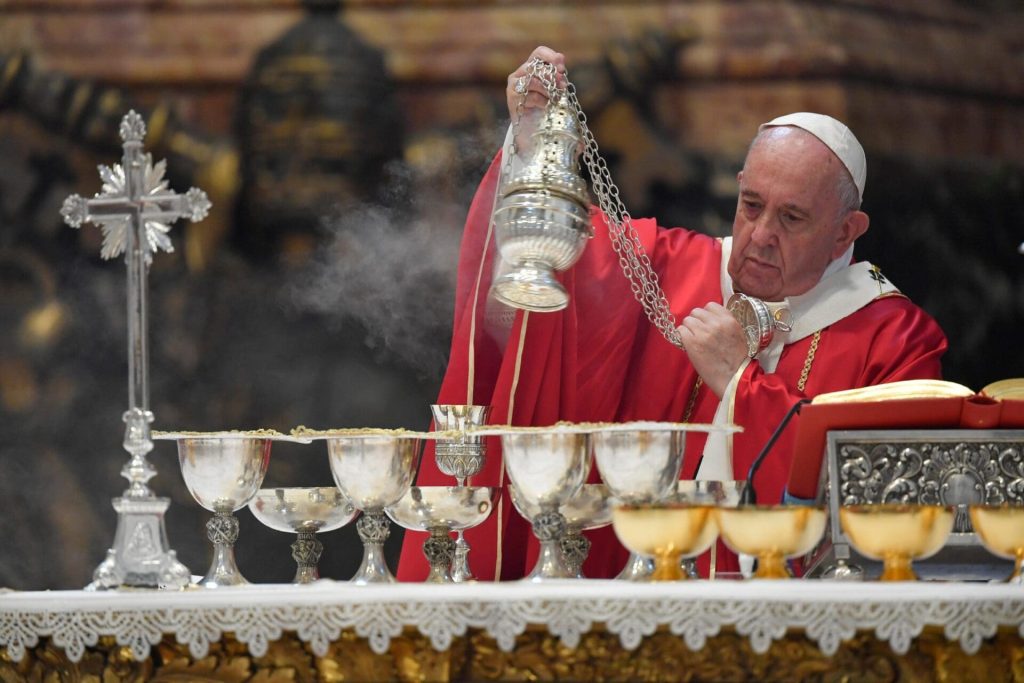
Another quiet but serious distraction occurs when priests become preoccupied with offertory gifts, food items, envelopes, or monetary offerings. The eyes linger. The mind shifts. The prayer suffers.
The offertory is not a display of material generosity. It symbolizes the self-offering of the faithful united to Christ’s sacrifice. The Roman Missal directs the priest to receive the gifts reverently and then turn immediately to the altar, the place of sacrifice (GIRM, 73). When attention moves from prayer to possessions, the meaning of the rite is reduced to logistics.
Interruptions at the Sanctuary and Whispered Communications

Another growing distraction at Mass is the practice of lay ministers, catechists, secretaries, or parish officials approaching the altar or sanctuary during the celebration to whisper information into the priest’s ear. These messages often concern announcements, decisions, or administrative matters. In some cases, priests themselves step down from the sanctuary to pass on information to the assembly. While often well-intentioned, these interruptions fracture the unity of the liturgical action and shift attention from Christ to logistics. The sanctuary is not a notice desk, and the Mass is not a meeting. Nearly all such interruptions can be avoided through proper preparation before Mass, clear delegation of duties, and disciplined pastoral planning. The General Instruction of the Roman Missal insists on the integrity and uninterrupted flow of the liturgical celebration, reminding the Church that nothing should be added, removed, or altered on personal initiative during the sacred action (GIRM, 24).
Intrusion of Popular Devotions and Administrative Actions into the Mass

Another significant source of distraction at Mass is the intrusion of popular devotions, personal gestures, and administrative practices into the liturgical action itself. The Church has consistently warned against this confusion of spheres. The Directory on Popular Piety and the Liturgy clearly teaches that popular devotions, however good and pastorally valuable, must not intrude into the celebration of the liturgy (nos. 13–15, 204). Likewise, Redemptionis Sacramentum states unambiguously, “It is not permitted for other, non-liturgical ceremonies or blessings to be introduced during the celebration of the Holy Mass” (no. 79).
A common example is the practice of families bringing a child, especially a newborn, forward during the Presentation of the Gifts for thanksgiving or blessing. Sometimes the child is carried alongside the bread and wine, and in some cases the priest lifts or blesses the child publicly at that moment. While the intention is pastoral, the action itself disrupts the meaning of the rite. The General Instruction of the Roman Missal explains that the Presentation of the Gifts is specifically ordered toward the offering of bread and wine for the Eucharistic sacrifice, together with monetary or material gifts for the poor (GIRM, nos. 73–75, 140, 178). Introducing other symbolic actions at this moment shifts attention away from the Eucharistic mystery and blurs the theological focus of the rite.
The correct pastoral approach is not to suppress thanksgiving or devotion, but to place them properly. Family thanksgivings, blessings of children, and similar devotions are best celebrated after Mass or at another suitable time. This respects both the integrity of the liturgy and the genuine spiritual needs of the faithful.
A similar problem arises with announcements made after the Prayer after Communion. The GIRM allows announcements at this point but qualifies them carefully, stating, “When the Prayer after Communion is concluded, brief announcements to the people may be made, if they are necessary” (GIRM, no. 90c). The key word is brief. Lengthy announcements undermine the sacred silence and thanksgiving that should follow Communion.
Both the Ceremonial of Bishops (no. 166) and Redemptionis Sacramentum (no. 74) stress the importance of preserving the unity and integrity of the sacred action. When announcements turn into extended explanations, appeals, or administrative sessions, the liturgy loses its contemplative conclusion and risks becoming a meeting.
The correct practice is to limit announcements to essential matters, ideally under two minutes. Broader information should be communicated after the final blessing or outside the Mass altogether. The period after Communion remains a sacred time. The faithful are still sacramentally united with Christ, and the Mass should conclude in prayerful thanksgiving and missionary sending, not distraction.
Improvised and Distracted Preaching
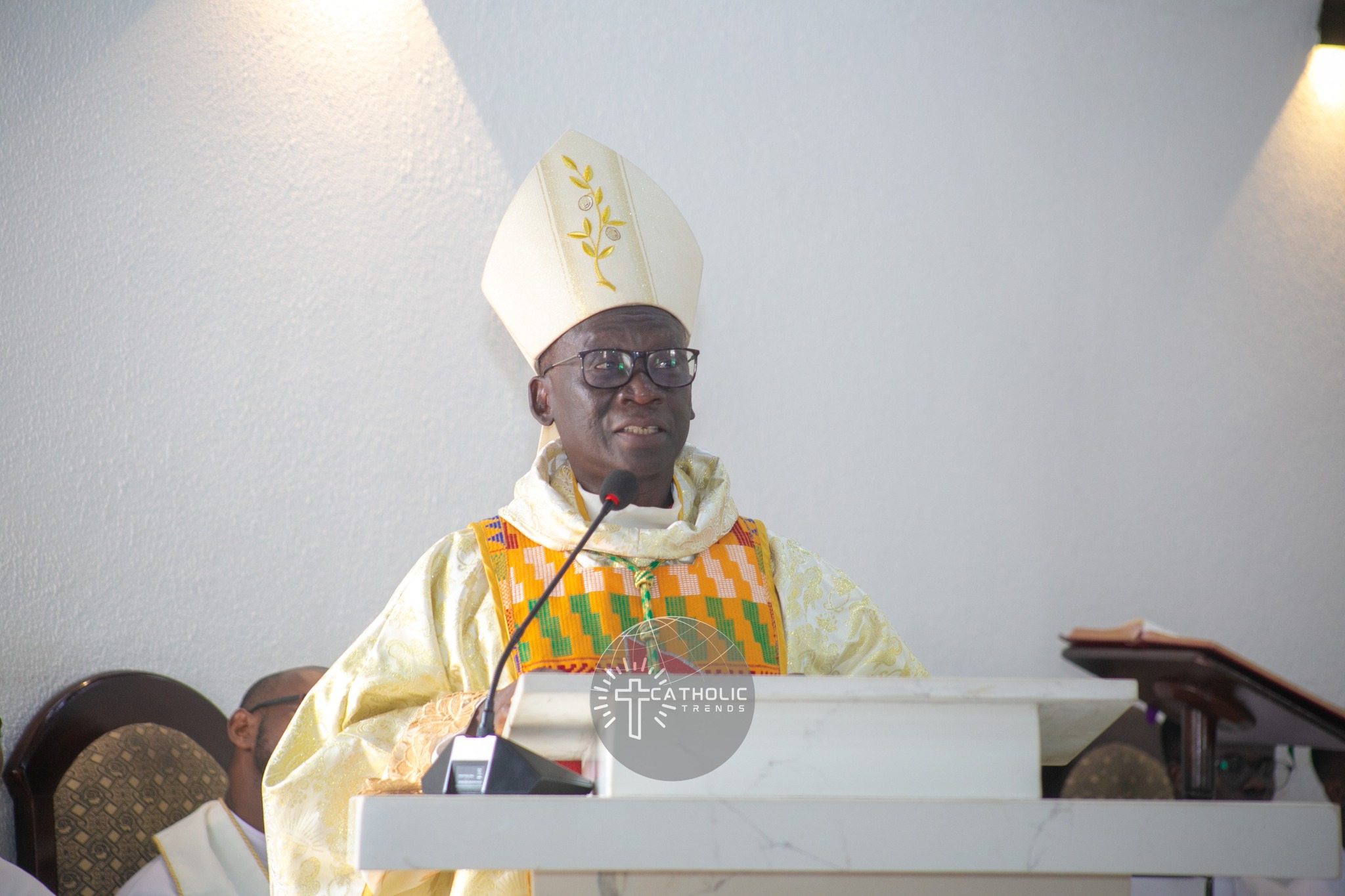
Perhaps the most damaging distraction at Mass today is the substitution of the Word of God with moral lectures. Sadly, many congregations applaud such preaching, mistaking emotional stimulation for spiritual nourishment.
The homily is not an interruption of the liturgy. It is part of the liturgy itself (Sacrosanctum Concilium, 52). It must flow from the readings and lead the faithful into the mystery being celebrated. When Scripture is sidelined, Christ is sidelined.
Priests must hear again the clear teaching of the Council. Optatam Totius insists that priests are to be formed above all as ministers of the Word, so that they may faithfully proclaim the Gospel entrusted to the Church (Optatam Totius, 4). Applause is not the measure of a good homily. Fidelity is.
St. Jerome’s warning remains urgent. Ignorance of Scripture is ignorance of Christ. A homily detached from Scripture may sound impressive, but it leaves the faithful spiritually underfed.
A Shared Responsibility
Attention at Mass is not the duty of one group alone. Priests and faithful shape one another. A recollected priest draws the people into prayer. An attentive assembly strengthens the priest’s reverence.
St. Augustine told his people that what they see on the altar is the mystery of who they are. When attention fades, identity fades. When attention is restored, the Church remembers who she is.
Pastoral and Practical Recommendations
For Priests
- Prepare readings and homilies prayerfully before Mass.
- Keep phones completely out of use during all liturgical celebrations.
- Avoid photography during Mass.
- Celebrate with deliberate pace, reverent silence, and visible recollection.
- Let Scripture, not applause, guide preaching.
For the Lay Faithful
- Arrive early to dispose the heart to prayer.
- Switch off phones entirely.
- Participate consciously through responses, singing, posture, and silence.
- Listen to the Word as God speaking here and now.
For Parishes and Dioceses
- Offer liturgical catechesis on reverence and participation.
- Use screens simply and sparingly.
- Form ministers and servers in the theology of the liturgy, not only its mechanics.
Conclusion

To pay attention at Mass is to confess that something eternal is happening in time. Distraction is not merely a human weakness. It is a spiritual struggle. What we attend to reveals what we love.
Christ gives Himself fully at every Mass. He deserves more than our presence. He deserves our attention.
Sources and References
- Sacred Scripture, Matthew 15:8; John 3:30; Luke 24:30–32; 1 Corinthians 11:23–29
- Second Vatican Council, Sacrosanctum Concilium
- Second Vatican Council, Optatam Totius
- Catechism of the Catholic Church, 1146–1149; 1322–1419
- General Instruction of the Roman Missal
- Pope Benedict XVI, Sacramentum Caritatis
- St. Augustine, Sermons on the Eucharist
- St. John Chrysostom, Homilies on the Priesthood
- Romano Guardini, The Spirit of the Liturgy


Good work done, Fr. God bless you
Amen and thank you too Fr
This is very deep reflection, Father. Thank you.
You are mostly welcome