





Palm Sunday of the Passion of the Lord: From “Hosanna” to the Cross
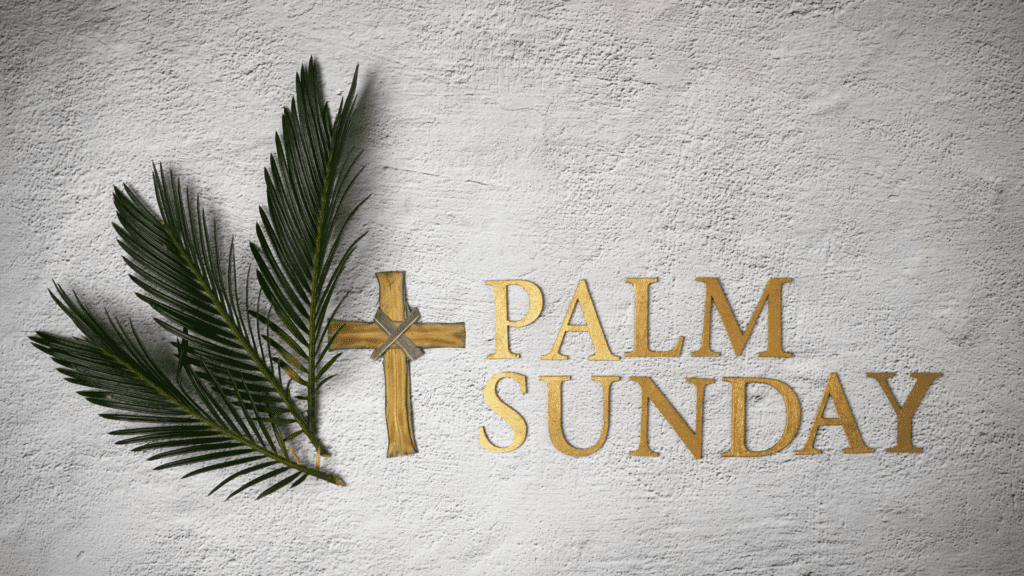
Today the Church celebrates the Sixth Sunday of Lent as both Palm Sunday and Passion Sunday. At this solemn moment in the liturgical year, the Church invites us to pause and enter deeply into the mystery of our redemption. We are not merely recalling past events. We are called to relive them, allowing the Passion, Death, and Resurrection of Christ to transform our own lives.
What unfolds before us this week is not only the story of Jesus. It is also our story. It is the journey from sin to grace, from death to life. As we walk with Christ through Holy Week, we are invited to die to sin and selfishness so that we may rise with Him to new life, healing, and reconciliation.
Today’s liturgy holds together two powerful and contrasting moments, the joy of Jesus’ triumphant entry into Jerusalem and the sorrow of His suffering and death. The same crowd that cries “Hosanna” will soon shout “Crucify Him.” This contrast reveals the instability of human loyalty and the depth of Christ’s love.
Scripture Lessons
The first reading, taken from the third Servant Song in Isaiah, presents the image of the Suffering Servant who remains faithful despite rejection and suffering (Isaiah 50:4–7). He does not resist those who strike him. He offers his back to those who beat him and his face to those who insult him. Yet he remains confident because God is his help. This prophecy finds its fulfillment in Jesus, who endures His Passion with obedience and trust in the Father.
The Responsorial Psalm draws us into the very heart of Christ’s suffering: “My God, my God, why have you forsaken me?” (Psalm 22:1). This cry, later uttered by Jesus on the cross (Matthew 27:46), expresses both the depth of human anguish and a profound trust in God. The same Psalm moves from suffering to hope, reminding us that God does not abandon His faithful ones.
In the second reading, Saint Paul presents a beautiful and ancient hymn describing the mystery of Christ (Philippians 2:6–11). Though He was in the form of God, Jesus emptied Himself, taking the form of a servant and becoming obedient unto death, even death on a cross. Because of this humility and obedience, God highly exalted Him. This passage reveals that the path to glory passes through humility and sacrifice.
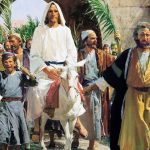
The Gospel begins with Jesus’ entry into Jerusalem (Matthew 21:1–11). Riding on a humble donkey, He fulfills the prophecy of Zechariah (Zechariah 9:9). The crowds welcome Him with palm branches, shouting “Hosanna,” recognizing Him as the Messiah. Yet this moment of acclaim is short-lived.
The Passion narrative that follows (Matthew 26–27) presents a series of dramatic encounters that invite us to examine our own hearts. Judas betrays Jesus for thirty pieces of silver (Matthew 26:14–16). Peter, despite his earlier promises, denies Him three times (Matthew 26:69–75). Pilate, though convinced of Jesus’ innocence, condemns Him out of fear and political pressure (Matthew 27:24–26). The religious leaders reject Him to preserve their authority (Matthew 26:59–66). Even the crowd turns against Him.
Amid all this betrayal and weakness, Jesus remains faithful. Like a lamb led to the slaughter (Isaiah 53:7), He accepts the cross and offers His life for the salvation of the world.
Life Messages
1. Let us repent sincerely and return to God
Jesus wept over Jerusalem because it did not recognize the time of its visitation (Luke 19:41–44). Let us not harden our hearts. Instead, let us weep over our sins and return to God with humility. Like the prodigal son who came back to his father (Luke 15:17–20), we are invited to seek forgiveness and reconciliation, especially through the Sacrament of Reconciliation during this Holy Week. Heaven rejoices over one sinner who repents (Luke 15:7).
2. We are called to bear fruit in our lives
Jesus cursed the barren fig tree as a warning against fruitless living (Matthew 21:18–19). God expects us to bear fruits of holiness, love, justice, humility, and forgiveness. A Christian life that produces no spiritual fruit contradicts our calling. As Jesus teaches, “By their fruits you will know them” (Matthew 7:16).
3. We must keep our hearts as temples of God
When Jesus cleansed the Temple, He declared, “My house shall be called a house of prayer” (Matthew 21:13). Our hearts are temples of the Holy Spirit (1 Corinthians 6:19). We must not allow them to be filled with sin, hatred, impurity, or injustice. Instead, they should be places where God is honored and loved.
4. Let us welcome Christ into every area of our lives
The crowds welcomed Jesus with joy on Palm Sunday, but many did not remain faithful. We are called not only to welcome Christ with words but to surrender our lives to Him completely. “If anyone would come after me, let him deny himself, take up his cross, and follow me” (Matthew 16:24). True discipleship requires commitment beyond moments of enthusiasm.
5. We are called to carry Christ to the world
Jesus chose a humble donkey to carry Him into Jerusalem. In the same way, He calls us, in our simplicity and weakness, to bring Him to others. This mission may bring both praise and rejection. As Jesus warned, “If they persecuted me, they will also persecute you” (John 15:20). Yet we are called to remain faithful, allowing others to encounter Christ through our lives of love, forgiveness, and service.
Conclusion
Palm Sunday places before us a profound choice. Will we remain faithful to Christ, or will we follow the shifting voices of the crowd? As we enter Holy Week, let us walk closely with Jesus, from the joy of “Hosanna” to the silence of the Cross, so that we may share fully in the glory of the Resurrection. God bless you.
References and Sources
Sacred Scripture
Isaiah 50:4–7
Isaiah 53:7
Psalm 22:1–24
Zechariah 9:9
Matthew 7:16
Matthew 16:24
Matthew 21:1–13, 18–19
Matthew 26–27
Luke 15:7, 17–20
Luke 19:41–44
John 15:20
1 Corinthians 6:19
Philippians 2:6–11
Catechism of the Catholic Church
CCC 559–560 (Christ’s entry into Jerusalem)
CCC 602–618 (The redemptive suffering and death of Christ)
Church Fathers and Theological Sources
St. Augustine, Sermons on the Passion
St. John Chrysostom, Homilies on Matthew
St. Thomas Aquinas, Summa Theologiae (on the Passion of Christ)
