




Wisdom 9:13-18b, Philemon 9-10, 12–17, Luke 14:25-33
Synopsis of the Readings
The three readings of the 23rd Sunday of Ordinary Time, Year C, form a unified reflection on the demands of divine wisdom and discipleship. The first reading from the Book of Wisdom emphasises human inability to discern divine purposes without God’s revelation. The second reading, from the Letter to Philemon, shows how the Gospel transforms relationships, elevating servitude into brotherhood. The Gospel of Luke presents the radical cost of discipleship, stressing detachment from possessions, relationships, and one’s own life. Together, these readings remind us that divine wisdom, lived through love and sacrifice, guides us to authentic discipleship in Christ.
The first reading comes from the Book of Wisdom, written in Greek by a Jew in Alexandria in the first century before Christ. Addressed to a community immersed in Hellenistic culture and philosophy, the author stresses the superiority of divine wisdom over human speculation. He begins: “Who can learn the counsel of God? Or who can discern what the Lord wills?” – a reminder of the limits of reason and the call to humility. The point is sharpened: “The deliberations of mortals are timid, and unsure are our plans”. The Greek word for “timid” (tapeinai) means lowly or poor, suggesting that human plans are impoverished compared to God’s counsel. Our bodily condition burdens the soul and clouds the mind, not because the body is evil, but because its needs and anxieties hinder our grasp of eternal realities. If we struggle with earthly matters, how much less with heavenly ones?
True wisdom is not human achievement but God’s gift through his Spirit, guiding life beyond intellect alone. The Jewish community in Alexandria needed this reminder amid rival philosophies; the lesson remains urgent. Science, economics, and social programmes achieve much, but cannot resolve life’s deepest mysteries – suffering, death, love, and God. Thus, the passage summons us to humility and dependence on God. Wisdom is his gift, enabling us to discern what pleases him and to face challenges like climate change, AI, and bioethics, where ingenuity cannot secure justice or peace. Only God’s Spirit brings clarity, and prayerful reliance on him reveals the true path of life.
The second reading comes from the Letter to Philemon, Paul’s shortest writing and a masterpiece of pastoral diplomacy. Onesimus, a slave who met Paul during his imprisonment, has become a Christian. Paul writes to Philemon, Onesimus’ master, appealing not through authority but love: “I, Paul, an old man, and now a prisoner of Christ Jesus, appeal to you…” In Roman society, slavery was entrenched, not based on race but conquest and economics. A runaway slave like Onesimus was property subject to severe punishment.
Paul reframes the situation entirely. He calls Onesimus “my child, whose father I have become in my imprisonment”, and later declares he is sending him back as “my own heart”. The Greek word “heart” (splagchna) refers to the seat of affection, implying Paul is sending a part of himself. He plays on the name Onesimus, meaning “useful”: once “useless”, now “useful” in Christ. The climax comes when Paul insists Philemon receive Onesimus “no longer as a slave but a beloved brother”. This transformation must be lived “in the flesh and in the Lord” – not a mere idea but social reality.
Paul presses further: “Receive him as you would receive me”. To honour Paul would be extraordinary; to extend that to a slave overturns social order. Though not abolishing slavery, Paul plants the theological foundation for recognising that in Christ all dehumanisation is incompatible with the Gospel. This message speaks urgently today. Legal slavery has ended, but modern forms persist: trafficking, exploitative labour, systemic inequities. Paul’s vision compels us to see migrants, refugees, and workers not as costs or burdens but as “beloved brothers and sisters”. Employers who respect dignity over profit, or families reconciling estranged members, embody this ethic. The letter shows the Gospel transforms society not by force but by love.
The gospel reading from Luke confronts us with Jesus’ radical teaching on discipleship. “Great crowds” followed him, perhaps from curiosity or hope for miracles. Jesus addresses them bluntly: “Whoever does not hate father and mother, wife and children, brothers and sisters, yes, and even life itself, cannot be my disciple”. To modern ears this is shocking, but in Semitic idiom “hate” means “love less” or put second. Jesus demands allegiance so primary that even family ties and personal security are subordinated to him.
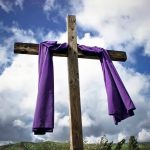
The call to “carry the cross” would have struck the audience with terror. In Roman practice, the condemned carried the crossbeam to execution – humiliation and surrender. To follow Christ is to embrace loss of rights and even death. Jesus then illustrates with two parables: a man building a tower and a king preparing for war. Both stress calculation. The Greek word for “to calculate” (psephizo) evokes counting stones or voting with pebbles. Discipleship is not emotional fervour but a reasoned decision to accept lifelong cost. The final demand is total renunciation: “None of you can become my disciple if you do not give up all your possessions”. This includes family plans, ambitions, and even life. For early Christians under Rome, this was literal: families divided, property confiscated, lives endangered. Luke’s community needed to know discipleship was radical commitment.
The challenge persists. In cultures prioritising autonomy, wealth, and security, Jesus’ words remain counter-cultural. A vocation to priesthood may mean family disappointment; refusing corruption may cost promotion; forgiving may cost pride. These daily decisions place Christ above possessions, relationships, and self. Yet paradoxically, this loss brings freedom. Renunciation opens us to God’s abundance. The cross, which seems the end, becomes the path to life.
Lessons from the Readings
The readings collectively teach that God’s wisdom, often seen as foolishness, demands humility and recognises human limits. They show divine wisdom can radically transform relationships, calling us to see others as brothers and sisters in Christ. Ultimately, they issue a call to deliberate discipleship, requiring total prioritisation of Christ above family, possessions, and life itself. This surrender brings true freedom, found not in possessing but in giving all for the one who gave all for us.

